Friday, 30 November 2012

Love me tender

We're pork galore this week (even more than usual) as we start to cure our Christmas bacon, and a happy result of this is that we have quite a lot of pork tenderloin - the porcine equivalent of fillet of beef. In the shops from tomorrow (Saturday), and we're feeling rather generous; it'll be £12.50 a kilo instead of £16.50, so fill yer boots and get cooking.

Although it's a fairly lean cut - and fat usually means taste - these tenderloins are from free range, slowly reared, rare breed pigs, and so still have bags of flavour. There are loads of recipes for pork tenderloin out there, however here are two of ours, both on the table in around 40 minutes.  Go East with a warming, zingy Thai curry, or make Tim's pork, pepper and mustard 'quick casserole', something he makes on the farm at least once a fortnight. Each recipe serves 2-3, and is easily scaled up if you're feeding a crowd.


Thai pork curry

If you want to make a noodle soup instead of serving over rice, add 250ml of good chicken stock with the coconut milk and ladle over cooked Thai rice noodles to serve.


Ingredients
1 pork tenderloin, around 700g
1 tin full fat coconut milk 
Fish sauce
Handful coriander leaves
Spring onions

Curry paste
1 large piece of ginger
3 sticks of lemon grass, coarse bits removed and discarded
3 cloves garlic, peeled
1 white onions, peeled
1 red chilli (deseeded if you don't like it too hot)
Stalks from a bunch of coriander
2tbsp sunflower oil
1/2 tsp salt
1/2 tsp sugar

Cooked rice, to serve

1. Roughly chop the ingredients for the curry paste, then blend until smooth. 
2. Heat a little oil in a frying pan and add the paste. Fry over a medium heat until sweet smelling and golden, for around 15 minutes. Add the coconut milk, and simmer for a further 15 minutes.
3. Meanwhile, cut the pork fillet into rounds roughly 1.5cm thick. Season with a little salt and pepper, and brown in a separate pan. Once browned, set to one side.
4. When the sauce has been simmering for 15 minutes, add a few shakes of fish sauce to taste. Add the pork pieces and cook for a further 5 minutes, to ensure that the pork is cooked through. 

Serve over cooked rice with plenty of sauce, chopped spring onions, and coriander leaves.


Pork, pepper and mustard casserole

Everyone has a failsafe, delicious but on-the-table-before-you-know-it dish; here's our owner, Tim's. Serve with something starchy to soak up the sauce and steamed green beans, broccoli or sautéed cabbage.

Ingredients
1 pork tenderloin, sliced into thickish rounds
1 white onion, sliced
1 red pepper, sliced
1tbsp Dijon mustard
2tbsp wholegrain mustard
250ml double cream
Fresh green herb of your choice - tarragon, parsley, chives and basil all work well
Squeeze of lemon juice (optional)
Salt and pepper
Butter and oil for frying

1. Put a knob of butter and a drop of olive oil in a large frying pan. Season the pork pieces and fry over a high heat until golden brown. Remove from the pan and set aside.
2. Turn the heat down a little and add the onion and peppers to the pan. Fry until fairly soft and sweet smelling, add the mustard and cook for a further two minutes.
3. Return the pork to the pan and add the cream, a little salt and pepper and the fresh herbs. Simmer for five minutes, taste, and adjust the seasoning if necessary. Add a little lemon juice if you feel it needs it, and serve.

Saturday, 17 November 2012

Turkey day


Whether your favourite turkey day is Thanksgiving or Christmas, buy the best bird you can afford and don’t stuff it up. Here are our tips for making the most of your festive bird.


The turkey

Ours are a traditional Bronze bird reared by Gerald and Richard Botterill. The birds are fed a natural diet of homegrown cereal and vegetable protein, and are left to free range on the Belvoir Estate (lucky things). They grow slowly and naturally to full maturity, after which they’re slaughtered on the farm (no distressing transporter), carefully dry-plucked and hung for 10-14 days to give great depth of flavour and succulence. 

A note on quills: one of the characteristics of the bronze turkey is their dark plumage, when plucked it can leave dark marks and tiny pieces of quill in the skin, especially around the wing and under carriage. These are a little more prevalent in Thanksgiving birds as they haven’t yet all moulted, but rest assured that they are absolutely nothing to worry about, and are a trait present in all Bronze turkeys; the marks and quills disappear during cooking. 

The Botterills showcase all of the elements of good animal husbandry, and continue to produce the best, tastiest birds we’ve ever tried. Try one for yourself and see.


At home

Take the vacuum-packed giblets out of the cavity, and rest the bird on a large plate at the bottom of your fridge - don’t be tempted to wrap it in cling film, as this can make the skin clammy and encourages bacteria. 

If you’re not cooking your turkey for a few days, it’s wise to use the giblets now. Make a simple stock using everything except the liver, and a few aromatic vegetables; this stock will keep 4-5 days if covered and placed in the fridge.


Stuffing

Truth be told, we prefer to leave the stuffing on the side rather than in the bird, as stuffing adds extra weight, increasing the cooking time which can dry out the meat. Instead we like lots and lots of streaky bacon over the top of the bird, which adds flavour and bastes the flesh without increasing the cooking time. That's not to say we don't like stuffing! Mix together pork mince, breadcrumbs, an egg, grated onion, fresh herbs, seasoning and grated lemon zest, form into balls and pop in with your roast potatoes for the final 15-20 minutes.


Temperature

Possibly the most important thing to do when you’re cooking a big turkey, is to take it out of the fridge a long time before it goes in the oven - eight hours should do the trick. If you only give it an hour or two then the bird will still be quite cold in the middle, and this is what leads to uneven cooking, meaning dry turkey or even worse - still raw in the middle. Just make sure the dog doesn't get it while it comes up to room temperature...


To cook
Rub the skin with plenty of butter and pepper and cover the breast with lots of streaky bacon. Make a big tin foil cross inside your roasting pan, place the turkey in the middle and wrap the foil around to make a loose but closed parcel. Cook at 220˚C/ 425˚F/ Mark 7 for 40 mins. Reduce heat to 170˚C/ 325˚F/ Mark 3 and cook for approximately a further 3 hours (small turkey), 3 1/2 hours (medium), 4 1/2 hours (large) and 5 hours (X-large). Uncover for the last 30 minutes and remove the bacon to crisp the skin. Stick a long skewer in the fleshiest part to test for doneness; the juices should run clear. Wrap the turkey well in foil, lay a bath towel over the top, and rest it for up to an hour before carving - trust us, it’ll be super-succulent.

And then there are leftovers, a subject which deserves a post all of its own.

Friday, 5 October 2012

French onion soup

It’s getting chilly and so to soups, stews and pot roasts we return. Every week one of our Askew Road butchers, Tom, drives to Rungis market just outside of Paris to select French poultry and Limousin veal for our shops. A trained chef, his head is often turned by outstanding fresh produce too, and this week he returned with nets of new season Roscoff onions.; slightly pink and beautifully sweet, just the ticket for French onion soup.


On the surface this is a very simple dish, but it only really shines with a boldly rich stock, sweet, slow-caramelised onions and lots of patience. We like to mix in dry white wine with and a pleasantly-hoppy-but-not-too-strong Indian Pale Ale, the latter giving the soup a bit of bite and marrying well with the savoury Comté toasts. If you don’t particularly like the hoppy (slightly bitter) flavour of an IPA, replace it with more beef stock – which has to be the real deal, no cubes here please.

Serves four for lunch or as a robust starter

750g Roscoff onions, peeled
65g beef dripping or butter
500ml proper beef stock
200ml lightish IPA (nothing too gutsy)
200ml dry white wine
100ml water
Sea salt and black pepper

To assemble

4 sliced of baguette, around 2cm thick
120g Comté, grated
A little butter

1.     Firstly, get ready to cry: although these onions have a beautifully sweet flavour, they still have a sting in their raw state, and you’ve got a lot of chopping to do. Cut each onion in half, and slice across the width of the onion to make lots of very fine semi circles, around 1-2mm wide. This gives you lots of surface area to get good caramelisation.

2.     Put a large, wide saucepan or stockpot over a low heat and slowly melt the butter.

3.     Add the onions and a few good pinches of sea salt, stir well and let them gently cook, stirring every 5-8 minutes or so.

4.     After half an hour, the onions should be quite soft but still fairly white; turn the heat up just a little, watching the onions don’t burn or colour too quickly – you’ve still got about another hour of slow caramelisation to go so grab a book and a beer and keep stirring occasionally, scrubbing at the base of the pan with a wooden spoon to release any sticky bits.

5.     When the onions have a very soft, sticky and almost jam-like consistency and a deep golden brown colour, add the remaining ingredients, and healthy pinch of salt, a few twists of pepper and simmer gently for 45 minutes. After simmering, taste and add salt and pepper to taste - remember that the Comte will add a good umami kick to the finished dish.

6.     To assemble, lightly toast the baguette slices, just enough to dry them out a little.  Spread a very small amount of butter on both sides. Ladle the soup between four heatproof bowls, and add a baguette slice to each one (if you like the bread really soft, turn the slice over so that both sides have been in contact with the soup). Cover liberally with the grated Comté, and place under a hot grill for a few minutes to melt the cheese. Serve immediately, and be careful not to burn your fingers.


You'll be able to buy some of the ingredients from us this weekend, but because some of our shops are near fantastic cheesemongers or greengrocers, not everything will be everywhere. 


Hackney: Comté, stock and onions
Askew Road: Comté, stock and onions
Moxon street: stock and onions
Borough Market: stock

Bon Appétit!

Tuesday, 4 September 2012

The Ginger Pig Sausage Festival

Our Waterloo butcher Martin is going to be sizzling some of our super snags this week, outside our shop in Greensmiths, Lower Marsh.


Martin has been keen to try a sausage sarnie street food stall for yonks, so when he heard about the Waterloo Quarter Food Festival - running for the whole of September - he leapt at the chance to get involved. Pop down and see him on Wednesday 5th and Friday 7th of September and snap up an unbeatable two-banger bun for lunch. He might even give you a discount on sausages to take home too!

Not only an expert in sausages, Martin will be hosting an evening's lamb butchery demonstration, in the Greensmiths cafe on September 12th. He'll demonstrate taking apart a lamb carcass, and then supper will be served along with a glass of wine. Tickets are a steal at just £20, and you can book a place by emailing enquiries@greensmithsfood.co.uk.


Wednesday, 29 August 2012

The hunt for perfect cassoulet: the Fête at night


We spent the final days of our cassoulet trip roaming around the region and ducking in and out of the Fête, and soon realising that the Fete du Cassoulet is about much more than one single dish. The quiet and sleepy town of Castelnaudary is filled with bands, bars, markets and thousands of revellers, who pile into huge tents to eat steaming pots of cassoulet; like Oktoberfest only with extra beans.


With all the action and merriment, the regional dish almost becomes secondary to the fun. Plenty of cassoulet is eaten, though it is not the best you can find or make. But to be honest, this is hard to fault. Local producers – largely wine growers, goose and duck farmers, bee keepers and charcuterie makers – line the streets selling fantastic stuff. A flotilla of handmade paddleboats - each representing a different local youth club - snakes down the river. Bolshy teenagers edge their way, one by one, down a horizontal flagpole over the river, trying to grab the French flag before throwing themselves into the water. And the drinking – there’s more than a drop of beer consumed, which leads to some pretty amusing dancing.


For the dedicated food-lover, there is still so much to enjoy in the region. The weekly food market at Revel (Saturdays) has producers and growers of the most incredible tomatoes, aubergines, garlic, goose, duck, honey, preserves, poultry, rillettes, charcuterie and of course lingot beans. Veer off the beaten track and away from the cassoulet tents, into a small, family-run restaurants where you can find very good, honest and truly local food at a tiny price. There’s a co-operative that takes in meat from all of the local farmers, selling it from a shop which has queues snaking right out of the door. And the unofficial bartering system is wonderful! Tomatoes are swapped for strawberries, whole lambs shared around the neighbours in return for a bit of help with shepherding. Gluts get distributed among friends and neighbours and it's nice to see that people are watching out for one another.


But what of the cassoulet? We’ve got a pretty good idea in our heads. Free range British goose, confit in rare breed pork fat, our own Toulouse sausages and fat cubes of Old Spot pork belly. We’re heading back to Blighty to have a play with the recipe – and we’d love your advice if you have any. Have you eaten or do you know how to make truly tremendous cassoulet? Go on, share your wisdom...

And here's what to do when you have so much veg that you can't eat any more.


Friday, 24 August 2012

The hunt for perfect cassoulet; Fète begins!

Day two begins with picking over the cassoulet recipe, and Ursula brings to the table a huge terracotta-coloured plant pot cassole, the vessel from which the dish gets its name. The wide, fluted top gives a large surface area for that all-important crust, while the depth allows for plenty of stew and bits of confit duck and sausage.


The recipe isn't a quick one, and as Ursula talks us through each step it's easy to see why people are so fiercely protective of their own method. Beans - lingot to be truly authentic - must be soaked overnight and then cooked in a homemade chicken stock, enriched by the skin and bones from pork belly. Toulouse sausage, belly and lardons are seared before all of the constituent parts are layered into the dish. Traditionally confit duck or goose is placed in the centre of the stew with the rest of the meat, however Ursula prefers to nestle the confit on top to crisp up the skin (we like her style). The cassoulet is then baked in a low oven for up to three hours, the surface crust stirred in each time it forms to add flavour and body. This should supposedly be done seven times, however three or four is all you can usually manage in the cooking time. Feeling well versed in the ways of cassoulet, we head out to lunch.

The first cassoulet of our quest is eaten at La Calèche in Peyrens, a small family-run restaurant in a village just north of Castelnaudary. The cassoulet is placed before us and we eagerly break the crust, and start to fish around for the best bits; out come pieces of duck and generous lengths of Toulouse sausage, though there's not an awful lot of pork belly (us, greedy?). The beans are creamily tender without losing their shape, but the stock lacks oomph, and black pepper has been added a little too liberally. A tasty, solid and respectable dish, but we think there's better to be found.


The fète isn't just a celebration of the region's best known dish, but also a chance for the area to throw a bit of a party. The main square is filled with marquees, which in turn are filled with bowls of cassoulet, but before any of that everyone cheers as the Président du Comité d'Organisation de la Fête declares the festival open, and bands, stalls and bars burst into life. The crowd is entertained by what sounds like a French Bryan Adams impersonator; still full from lunch, we slink home for salad and cider. Two cassoulets in one day is too much even for us. 

Official merchandise
Whatever the French for 'mariachi band' is

The official mascot


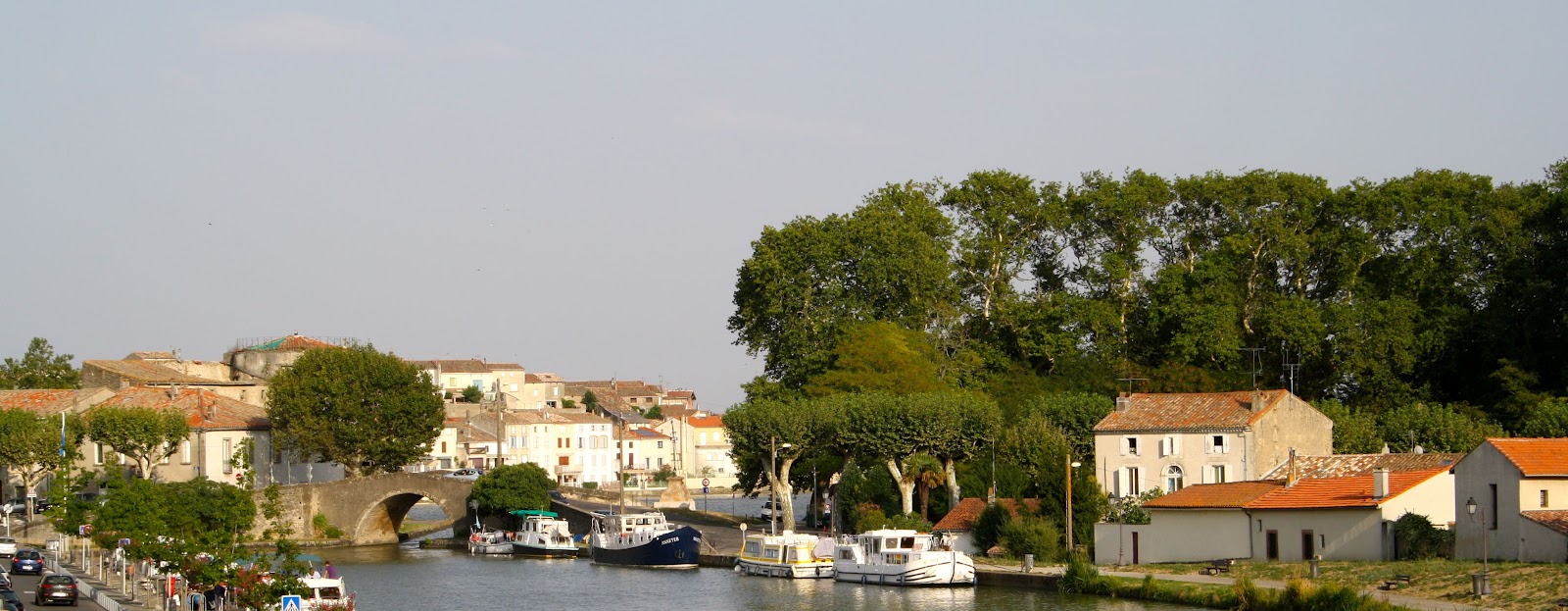
The view from the town's bridge

Thursday, 23 August 2012

The hunt for perfect cassoulet; a truly local dish

This week we're in Castelnaudry, just east of Toulouse, for the annual Fête du Cassoulet. Quite why this celebration of stew is in August - when temperatures can tip 40C - is a little baffling, but we've put on our sunhats to embark on a mission to find the best Cassoulet around.

Two very good friends of the Ginger Pig moved to the area nine years ago, and have spent their time immersed in the culinary history and identity of the region, as well as growing vegetables galore, and rearing ducks, chickens and two wonderful children. Chris grew up with Ginger Pig owner Tim, and it's fair to say that without Chris' wife Ursula, the Ginger Pig would not be the business it is today. Daughter of a renowned Swiss butcher and very able cook, Ursula's support helped us grow from a little stall at Borough Market to the five shops we run today, and she still comes back each December to help us at Christmas.


Driving from Carcassonne (because, obviously, we had to fly somewhere beginning with carcass) to Chris and Ursula's home in the hills, we get a taste of what is grown in the region. The agricultural makeup changes quickly as we move; at first vineyards, then sunflowers - heads bowed in defeat, almost ready to harvest - and then grains, pulses and legumes. The area is home to goose and duck farms too, a natural evolution stemming from the migratory path of these birds. Geese and ducks used the area as a resting spot as they flew south, and spilled grains from the September harvest provided rich pickings for the birds to fatten up to continue their journey. 


Over lunch - homemade bread and pâte de campagne, local ham and salads from the garden - Chris and Ursula set out why cassoulet is famed and fought over throughout the region. Although recipes vary from cook to cook, cassoulet is essentially a stew of white beans, pork belly, confit duck or goose and Toulouse sausage, a marriage of all that the region does well and a truly local dish. Many of the ingredients are preserved over summer and autumn to provide sustenance throughout the winter, and so cassoulet is not only a dish to make the most of the region's best produce, but something to rely on when fresh food is scarce. 

Predictably there's amicable contention over the true home and recipe of cassoulet, and this is all brought together for the Fête; the opening ceremony of which is tonight (move over Danny Boyle!).

The dish is yet to pass our lips, and so we'll leave you with some photos of Chris and Ursula's wonderful garden, while we work up an appetite for a cassoulet lunch.